
Counseling Degrees & Licenses in Vermont
Counseling Schools Search
When you click on a sponsoring school or program advertised on our site, or fill out a form to request information from a sponsoring school, we may earn a commission. View our advertising disclosure for more details.
“My master’s degrees from a counseling program were essential to achieving my goal of becoming a mental health therapist. Thanks to my degrees and my license, I’ve enjoyed a lot of variety and flexibility in my career, and I’ve adapted it fairly easily to meet the ever-evolving needs of myself and my family.”
Katherine Mahan, MA, MEd, Licensed Professional Counselor
Compared with other U.S. states, Vermont has a relatively high prevalence of mental illness and a low rate of treatment. According to a report by the Vermont Department of Health, suicide deaths are on the rise, with a rate of 21 per 100,000. This is the highest recorded rate in Vermont’s history, with the highest rates among 15-24-year-olds.
Despite its poor treatment rate, Mental Health America, a community-based nonprofit dedicated to addressing the needs of those living with mental illness, notes that Vermont ranks highly in terms of mental health care accessibility within the state.
Vermont also ranks very highly in terms of insurance coverage. The Vermont Department of Health noted that 97 percent of Vermonters reported having a primary source of health insurance. Three percent of the population, representing approximately 20,000 people, were uninsured.
Regardless of its high marks for mental health care accessibility and insurance coverage, the state of Vermont will continue to need to train and utilize a highly trained workforce of mental health professionals in the coming years.
Certain factors support this conclusion. For example, a report issued by the UVM Vermont Legislative Research Service written before the Covid-19 pandemic noted that “geographic and demographic factors have contributed to a current and projected shortage in healthcare workers.”
The collective mental health impact of the Covid-19 pandemic on the population of Vermont and its mental health care workforce suggests an accelerated loss of skilled workers and, thus, greater pressure to replenish the workforce with newly trained counseling professionals.
Two schools within Vermont offer academic training in counseling: the University of Vermont and Vermont State University.
Q&A with Expert: Katherine Mahan, LPC, NCC
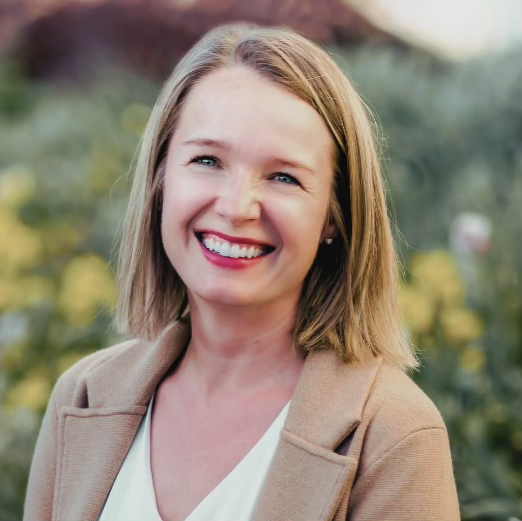
Katie Mahan is a licensed professional counselor based in Virginia and licensed in Vermont and other states. She specializes in individual online therapy with young-ish adults who aren’t feeling it (or who are feeling all of it).
Mahan holds undergraduate degrees in psychology and gender studies from the University of Virginia and a master of arts and master of education in psychological counseling from Teachers College, Columbia University.
CounselingSchools.com: What is something most people don’t know about being a sonographer?
Mahan: My master’s degrees from a counseling program were essential to achieving my goal of becoming a mental health therapist. Thanks to my degrees and my license, I’ve enjoyed a lot of variety and flexibility in my career, and I’ve adapted it fairly easily to meet the ever-evolving needs of myself and my family.
After working in university counseling centers for the first eight years of my career, I transitioned into my own virtual private practice. One of the best things about being a therapist is that the opportunities for learning and growing are lifelong, and for me, that’s meant I’ve consistently felt engaged and excited by my work.
CounselingSchools.com: What is one piece of advice you would give to an aspiring sonography student?
Mahan: Talk to therapists from a variety of licensure and educational backgrounds! There are many different ways to train to become a counselor, so do your research and self-reflection to determine which path is the best fit for you. This process of self-reflection can empower you and give you the confidence to choose the right path.
At a minimum, I recommend speaking with a social worker and both a master’s level and doctoral level clinician to learn about the benefits of each of these options.
Traditional Counseling Degree Programs in Vermont
The University of Vermont (UVM) offers a master’s degree program in counseling with two different concentration options: clinical mental health counseling and school counseling. Students can also elect to pursue a dual option, in which they complete the educational requirements necessary for licensure in both school counseling and clinical mental health counseling. Students pursuing either concentration or the dual option can apply their skills in numerous settings.
The clinical mental health counseling program prepares graduates to become licensed as clinical mental health counselors. A supervised employment experience and successful completion of a state board exam are requirements for licensure. The National Counselor Examination for Licensure and Certification (NCE) is the examination. Licensure provides professional and financial advantages compared to those who opt not to pursue licensure. Students should contact the State of Vermont Board of Allied Mental Health Practitioners to learn more details regarding licensure.
Students may attend full or part-time and typically complete a degree within two to three years. This academic program is offered in a conventional on-campus setting featuring personalized interactions with other students pursuing the same training.
- Location: Burlington, VT
- Duration: Two to three years
- Accreditation: Council for Accreditation of Counseling and Related Educational Programs (CACREP); National Council for Accreditation of Teacher Education (NCATE).
Vermont State University offers two degree programs for those interested in the counseling profession: a master of arts degree in counseling and a master of science degree in clinical mental health counseling. Students who pursue a master of arts degree in counseling may choose one of three tracks: addictions counseling, clinical mental health counseling, or school counseling.
The master of science degree in clinical mental health counseling is designed to be accessible to working adults and thereby enhance the development of a diverse student body. The program offers a variety of learning modalities, including face-to-face instruction and distance learning.
In addition, intensive weekend instruction is offered once a month to cohorts both inside and outside the state of Vermont. The program emphasizes leadership, systemic change, and advocacy.
- Location: Johnson, VT; Lyndonville, VT
- Duration: 2.5 to 3.5 years
- Accreditation: New England Commission of Higher Education (NECHE)
How Much Do Counselors Earn in Vermont?
These numbers represent the U.S. Bureau of Labor Statistics data from May 2024—the latest data available as of August 2025:
Marriage and Family Therapist Salaries
| United States | Vermont | |
|---|---|---|
| Number employed | 65,870 | 110 |
| Average annual salary (mean) | $72,720 | $66,260 |
| 10th percentile | $42,610 | $53,840 |
| 50th percentile (median) | $63,780 | $61,060 |
| 90th percentile | $111,610 | $76,840 |
Substance Abuse, Behavioral Disorder, and Mental Health Counselor Salaries
| United States | Vermont | |
|---|---|---|
| Number employed | 440,380 | 1,150 |
| Average annual salary (mean) | $65,100 | $63,060 |
| 10th percentile | $39,090 | $45,960 |
| 50th percentile (median) | $59,190 | $60,410 |
| 90th percentile | $98,210 | $80,480 |
Educational, Guidance, and Career Counselor and Advisor Salaries
| United States | Vermont | |
|---|---|---|
| Number employed | 342,350 | 970 |
| Average annual salary (mean) | $71,520 | $64,900 |
| 10th percentile | $43,580 | $49,480 |
| 50th percentile (median) | $65,140 | $60,920 |
| 90th percentile | $105,870 | $87,620 |
Rehabilitation Counselor Salaries
| United States | Vermont | |
|---|---|---|
| Number employed | 88,930 | 360 |
| Average annual salary (mean) | $51,260 | $55,250 |
| 10th percentile | $34,480 | $40,420 |
| 50th percentile (median) | $46,110 | $49,620 |
| 90th percentile | $77,200 | $82,830 |
Counselors, All Other Salaries
| United States | Vermont | |
|---|---|---|
| Number employed | 33,340 | 200 |
| Average annual salary (mean) | $58,070 | $59,690 |
| 10th percentile | $36,160 | $44,980 |
| 50th percentile (median) | $49,830 | $52,490 |
| 90th percentile | $91,420 | $82,990 |
Counseling Professional Associations & Resources in Vermont
- Vermont Mental Health Counselors Association
- Vermont Board of Allied Mental Health
- Vermont Agency of Human Services-Department of Mental Health
- Vermont Department of Education Educator Licensing
- Vermont Psychological Association
- National Alliance on Mental Illness – Vermont
Mental Health Counseling Licenses in Vermont
| Licensing Authority | Eligibility & Details | Renewal Requirements |
|---|---|---|
| Board of Allied Mental Health | Vermont licenses Licensed Clinical Mental Health Counselors (LCMHC). Requirements for licensure include:
| Renewals for LCMHCs in Vermont are due every two years. In addition to the fee renewals must include a completed application and 40 hours of continuing education from approved providers. |
Bernd Geels
WriterBernd Geels is a Berlin, Germany-based freelance writer and artist. He holds an undergraduate degree in atmospheric science and two graduate degrees. He completed his most recent graduate degree in international environmental studies at the Monterey Institute of International Studies in 2011. He is interested in healthcare, climate change, marine conservation, indigenous science and refugee issues. You can reach him directly at [email protected].
Rachel Drummond, MEd
WriterRachel Drummond has used her expertise in education and mindfulness to guide aspiring counselors since 2020. Her work emphasizes the importance of integrating reflective mindfulness into counseling techniques, helping readers understand how mental and physical well-being can enhance their professional practice and personal development in counseling.
Rachel is a writer, educator, and coach from Oregon. She has a master’s degree in education (MEd) and has over 15 years of experience teaching English, public speaking, and mindfulness to international audiences in the United States, Japan, and Spain. She writes about the mind-body benefits of contemplative movement practices like yoga on her blog, inviting people to prioritize their unique version of well-being and empowering everyone to live healthier and more balanced lives.