
Online Master’s Degrees in Pastoral or Christian Counseling
Counseling Schools Search
When you click on a sponsoring school or program advertised on our site, or fill out a form to request information from a sponsoring school, we may earn a commission. View our advertising disclosure for more details.
“Many people prefer to go to their religious leaders for help with life’s problems… The approach is to lead the client to rely more on the Lord than to rely on themselves and to draw closer in faith to help them deal with the challenges of life.”
Ann Kerlin, PhD, Associate Professor of Biblical Counseling, Luther Rice College and Seminary
Pastoral and Christian counseling is a specialized mental health field that integrates psychological counseling practices with faith-based guidance and spiritual care. Professionals in this discipline support individuals, couples, families, and communities through emotional, relational, and spiritual challenges, often drawing on theological frameworks alongside evidence-based counseling methods. Unlike secular mental health counseling, pastoral counseling emphasizes spiritual formation, religious identity, and ministry-oriented care, making it a distinct path for those called to serve both emotional and spiritual needs.
Most individuals pursuing careers in pastoral or Christian counseling complete a master’s degree in pastoral counseling, Christian counseling, clinical mental health counseling with a faith emphasis, or a Master of Divinity with counseling training. Graduate programs typically include coursework in counseling theory, ethics, human development, marriage and family counseling, crisis intervention, and theological studies, along with supervised practicum or internship experiences. While clergy can offer informal pastoral counseling within congregational settings without a state license, those seeking to work in private practice, healthcare systems, or broader clinical environments generally need formal graduate-level clinical training.
Graduates of pastoral or Christian counseling programs may work in churches, faith-based nonprofits, hospitals, chaplaincy programs, community mental health organizations, correctional facilities, military settings, or private counseling practices. Some professionals focus on ministry-centered counseling, while others serve in integrated clinical environments where spiritual and psychological care intersect. Career paths can include pastoral counselor, Christian therapist, chaplain, family counselor, spiritual care provider, or licensed mental health counselor, depending on training and licensure status.
Licensing and professional credentialing are among the most complex aspects of this field. Requirements vary widely by state and by role: some states offer specific pastoral counseling licenses, while others require pastoral counselors to meet the same standards as licensed professional counselors or clinical mental health counselors. In many jurisdictions, licensure involves earning an accredited graduate degree, completing 1,000 to 4,000 hours of supervised clinical experience, passing national exams, and meeting ordination or religious endorsement criteria in faith-based tracks. Because not all faith-based master’s programs meet state clinical licensure standards, prospective students must carefully evaluate whether an online program aligns with their intended career and licensing goals.
Online Spiritual Counseling Programs (Most Affordable First)
Browse a complete listing of online spiritual counseling programs, ranked by in-state (resident) tuition, from most affordable to least. Out-of-state students should refer to the non-resident tuition numbers.
These numbers reflect the estimated tuition cost of the entire program, calculated by multiplying the published per-credit tuition rate (for the latest academic year) by the total number of credits that must be completed.
Please click on any school of interest for a full-page school profile containing complete program details.
| School | Programs | Tuition (resident) |
Tuition (non-resident) |
Programs & Tuition | ||||||
|---|---|---|---|---|---|---|---|---|---|---|
| Manna University |
|
| ||||||||
| South Florida Bible College and Theological Seminary |
|
| ||||||||
| Luther Rice University & Seminary |
|
| ||||||||
| Ohio Christian University |
|
| ||||||||
| Regent University |
|
| ||||||||
| Faulkner University |
|
| ||||||||
| Cornerstone University |
|
| ||||||||
| Columbia International University |
|
| ||||||||
| Pentecostal Theological Seminary |
|
| ||||||||
| Southern California Seminary |
|
| ||||||||
| Southern Connecticut State University |
|
| ||||||||
| Nelson University |
|
| ||||||||
| Methodist University |
|
| ||||||||
| Grace College |
|
| ||||||||
| California Lutheran University |
|
| ||||||||
| Abilene Christian University |
|
| ||||||||
| Sacred Heart University |
|
| ||||||||
| Dallas Baptist University |
|
| ||||||||
| Denver Seminary |
|
| ||||||||
| Gordon-Conwell Theological Seminary-Charlotte |
|
| ||||||||
Q&A with Expert: Ann Kerlin, PhD, LPC, CPCS
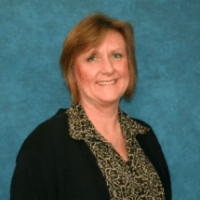
Dr. Ann Kerlin is an associate professor of biblical counseling and program coordinator for the master of arts in biblical counseling at Luther Rice College and Seminary. She joined the faculty in 2011 and became a full-time professor in 2013, teaching both undergraduate and graduate counseling courses. Dr. Kerlin holds a BBA from the University of West Georgia, an MDiv from Luther Rice, and an MA and PhD from Liberty University, and is licensed as a professional counselor in Georgia.
In addition to her academic work, Dr. Kerlin serves as executive director of One Roof Ecumenical Alliance Outreach, a nonprofit supporting financial, housing, and food needs in Coweta County, Georgia. Her research centers on trauma recovery, addiction treatment, spiritually integrated counseling, and mental health, with publications in journals such as Journal of Psychology and Theology, Journal of Religion and Health, and Alcoholism Treatment Quarterly. She is an active member of multiple professional counseling organizations and frequently presents her research at regional and national conferences
CounselingSchools.com: What do you wish the public understood about pastoral or Christian counseling?
Dr. Kerlin: A pastoral or biblical counselor in our program will complete a 36-credit master’s degree in religion, along with courses on crisis counseling, helping skills, marriage and family counseling, ethics, and methodology, with a practicum, to name a few.
Many people prefer to go to their religious leaders for help with life’s problems, but someone who is good at preaching may not be as good when it’s one-to-one. That is why our seminary includes counseling as an option. The approach is to lead the client to rely more on the Lord than on themselves and to draw closer in faith to help them deal with the challenges of life.
CounselingSchools.com: What advice would you give to aspiring online pastoral or Christian counseling students?
Dr. Kerlin: While biblical or pastoral counselors are not licensed, they can be commissioned by their own church and/or denomination, like any other minister. There are many methods they could use to get certified (meaning trained and credentialed). Be sure to talk it over with your pastor or your denomination so you can choose the model that is most helpful in your situation.
Also, there is always a great demand for counselors in the recovery field. In Georgia, you can earn credentials as you work, even in state facilities and programs. There are also biblical counselors employed by private non-profit agencies, and, of course, many volunteer opportunities to use your counseling skills.
Typical Admissions Requirements for Online Master’s Degrees in Pastoral or Christian Counseling
Admissions requirements for online master’s programs in pastoral or Christian counseling typically include a completed bachelor’s degree from an accredited institution, official transcripts, and a minimum GPA). Applicants are commonly asked to submit a personal statement or statement of purpose, letters of recommendation, and a current résumé or CV outlining academic, professional, or ministry experience. Some programs may also require a writing sample, an interview, or a background check, particularly for degrees that include supervised clinical training.
Because pastoral and Christian counseling programs integrate theological and ministry-focused education, applicants may also be required to demonstrate alignment with the institution’s faith mission. This can include submitting a statement of faith, a pastoral or church leader recommendation, or evidence of church involvement or ministry service. While standardized test scores such as the GRE are often optional or waived, requirements vary widely between programs, so prospective students should review each school’s admissions criteria carefully to ensure eligibility and readiness for graduate-level study.
Courses in Online Master’s Degrees in Pastoral or Christian Counseling
Online master’s programs in pastoral or Christian counseling combine traditional counseling training with faith-based perspectives to prepare students for professional and ministry-focused work. Coursework emphasizes psychological theory, counseling techniques, ethical practice, and spiritual care, often including both online lectures and supervised field experiences. Programs typically require students to complete a practicum or internship to gain hands-on experience in counseling settings under the supervision of licensed professionals or experienced pastoral counselors.
Common courses in these programs may include:
- Foundations of Pastoral and Christian Counseling
- Human Growth and Development
- Counseling Theories and Techniques
- Marriage and Family Counseling
- Ethics and Professional Issues in Counseling
- Crisis Intervention and Trauma Counseling
- Spirituality and Mental Health
- Practicum or Internship in Pastoral Counseling
Supervised Clinical Hour Requirements & Internships – Online Master’s Degrees in Pastoral or Christian Counseling
Most online master’s programs in pastoral or Christian counseling require students to complete a set number of supervised clinical hours to gain hands-on experience in counseling settings. These hours are typically fulfilled through a practicum and/or internship, where students work under the supervision of a licensed counselor, pastoral supervisor, or experienced ministry professional.
Programs often require 100 to 600 practicum hours and 300 to 1,000 internship hours, depending on state licensure requirements and the degree’s focus. During this time, students engage directly with clients, participate in case consultations, and develop professional competencies in assessment, counseling techniques, and ethical practice. Completing these supervised experiences is essential for graduation and, for many students, for meeting the requirements for state licensure or certification in counseling.
Program Accreditation for Online Master’s Degrees in Pastoral or Christian Counseling
Accreditation is an important consideration for students pursuing an online master’s in pastoral or Christian counseling, particularly for those seeking licensure as professional counselors. Programs that lead to clinical licensure are often accredited by the Council for Accreditation of Counseling and Related Educational Programs (CACREP), which ensures that the curriculum, faculty, and clinical training meet national standards for counseling education. Graduating from a CACREP-accredited program can simplify the licensure process in many states.
Many Christian universities also hold regional or national accreditation from recognized agencies, such as the Association of Theological Schools (ATS) or regional accrediting bodies, such as the Higher Learning Commission (HLC). These accreditations affirm the overall quality and academic rigor of the institution and its programs, even if the degree is not specifically designed for state licensure. Prospective students should carefully review both institutional and programmatic accreditation to ensure that their chosen program aligns with career goals and licensing requirements.
Featured Online Master’s in Pastoral or Christian Counseling Programs
Luther Rice College & Seminary
Luther Rice College & Seminary’s online master of arts in biblical counseling is a 36-credit program designed to equip students to provide Christ-centered, biblically faithful, and clinically informed care in churches, ministries, and other Christian settings.
The curriculum integrates counseling theories, biblical studies, and practical ministry skills, including a supervised practicum, to prepare students for hands-on counseling experience in faith-based environments. While the program is not designed for state licensure, graduates are prepared to offer biblically grounded guidance and support to individuals, couples, and families within ministry contexts.
- Location: Lithonia, GA
- Duration: 16 to 24 months
- Accreditation: Southern Association of Colleges and Schools Commission on Colleges (SACSCOC), Transnational Association of Christian Colleges and Schools (TRACS), Association for Biblical Higher Education (ABHE)
Liberty University’s online master of arts in pastoral counseling blends biblical training with foundational counseling theory to prepare students for ministry‑oriented care roles within churches, parachurch organizations, and Christian nonprofits. The program emphasizes both theological grounding and practical skills, helping students learn how to minister to emotional, relational, and spiritual needs through coursework that integrates psychology with Scripture. Courses cover topics such as crisis intervention, family dynamics, and the integration of psychology with theology, and the online format with 8‑week courses offers flexibility for working professionals and ministry leaders.
Offered fully online through Liberty’s John W. Rawlings School of Divinity, this 36‑credit degree allows students to complete their studies on a flexible schedule while gaining supervised internship experience that can be applied in local community or ministry settings. While the program is not designed to meet state clinical counseling licensure requirements, it equips graduates with the training needed to provide pastoral care and support within faith‑based contexts.
- Location: Lynchburg, VA
- Duration: One and a half to two years
- Accreditation: Association of Theological Schools (ATS)
Cornerstone University’s online master of arts in christian ounseling is a 36‑credit graduate degree designed to equip pastors, ministry leaders, and lay counselors with advanced skills to support individuals and families through emotional, relational, and spiritual challenges from a Christian worldview. The program blends counseling foundations with theological and biblical studies to help students integrate faith and practice, with coursework covering topics like human growth and development, group counseling, and Christian counseling techniques. It is delivered fully online to accommodate working professionals and those serving in ministry contexts.
Graduates of this program typically pursue roles in churches, faith‑based nonprofits, chaplaincy, ministry education, and community outreach settings, supporting spiritual and emotional health rather than preparing for state professional counseling licensure. The curriculum reflects a commitment to theological depth alongside practical ministry‑oriented skills. Prospective students should note that this program is not structured to meet the requirements for licensure as a licensed professional counselor, but it can strengthen ministry impact and expand faith‑based support competencies.
- Location: Grand Rapids, MI
- Duration: One and a half to two years
- Accreditation: Association of Theological Schools (ATS)
The online master of divinity in pastoral counseling at Grace Theological Seminaryprepares students to provide Christ-centered guidance and support for individuals and families navigating emotional, spiritual, and relational challenges. The program integrates biblical studies, pastoral theology, and counseling principles, giving students the tools to minister effectively within churches, parachurch organizations, and community ministries. Coursework covers pastoral care, counseling theory, ethics, and spiritual formation, emphasizing the practical application of faith-based counseling.
The program is delivered fully online with structured courses and supervised ministry experiences, allowing students to gain hands-on skills while accommodating work or ministry schedules. While designed to prepare graduates for impactful pastoral counseling roles, it does not satisfy state licensure requirements for professional counseling.
- Location: Winona Lake, IN
- Duration: Three to four years
- Accreditation: Association of Theological Schools (ATS)
Students seeking roles in ministry and spiritual support where theological insight and compassionate care are essential should consider the online master of arts in pastoral and spiritual care at Asbury Theological Seminary. The 48‑credit program focuses on integrating Christian values with pastoral care principles, helping students develop an understanding of major theories and practices related to pastoral and spiritual care. Coursework emphasizes theological foundations and practical skills for serving diverse communities through reflective, faith‑based caregiving.
Students can complete the degree fully online in as few as two years by engaging in both synchronous and asynchronous coursework that fits around personal and professional commitments. Although this program is not designed to meet state clinical counseling licensure requirements, graduates are equipped to provide meaningful spiritual and emotional support within churches, ministry organizations, and global contexts where formal licensing is not required.
- Location: Wilmore, KY,
- Duration: Two years
- Accreditation: Association of Theological Schools (ATS); Southern Association of Colleges and Schools Commission on Colleges (SACSCOC)
Regent University offers a program designed to equip students with counseling skills specifically tailored for ministry and faith‑based service. The master of arts in pastoral counseling combines biblical foundations, psychology, and practical pastoral care to prepare students to guide individuals, families, and communities through spiritual, relational, and emotional challenges. The curriculum emphasizes real-world application alongside theological understanding, with courses in Christian counseling theories, crisis intervention, and human development, all taught from a distinctly Christian perspective.
Delivered entirely online, the program allows students to continue their professional or ministry work while gaining hands-on insights through practical assignments and guided ministry experiences. While this degree is not structured for state licensure as a professional counselor, graduates are prepared for impactful roles in churches, Christian nonprofits, faith-based schools, and other ministry-focused settings.
- Location: Virginia Beach, VA
- Duration: One to two years
- Accreditation: Southern Association of Colleges and Schools Commission on Colleges (SACSCOC)
Designed for those called to support others in church and ministry settings, the master of arts in christian counseling at Gateway Seminary helps students develop both a solid theological foundation and practical counseling skills rooted in biblical principles. The 50‑credit curriculum blends faith‑based perspectives with key counseling concepts so graduates can assist individuals and families with emotional and spiritual concerns within ministry contexts. Many students complete the degree in about two years through Gateway Online, making it accessible for working adults and ministry leaders.
While the program equips students to serve effectively in churches, nonprofit ministries, and pastoral care roles, it is not structured to meet state licensure requirements for professional counselors, such as licensed professional counselor (LPC) or licensed marriage and family therapist (LMFT). Those seeking roles strictly within faith‑based environments where formal licensure is not required may find the balance of theology and counseling training especially relevant to their vocational goals.
- Location: Los Angeles, CA
- Duration: Two years
- Accreditation: Association of Theological Schools (ATS); Western Association of Schools and Colleges (WSCUC)
Built for those seeking a broad ministry foundation with a specialized focus on care and counseling, the master of divinity with a pastoral care and counseling concentration at Denver Seminary blends rigorous theological study with the tools needed to minister to people in times of crisis, grief, and transition. The curriculum covers biblical and theological coursework alongside pastoral care principles and counseling resources, helping students grow in both spiritual maturity and ministry competency. This concentration is offered as part of the MDiv, which can be completed in online, on‑campus, or hybrid formats.
Students complete approximately 79 credit hours, including an internship that allows them to practice their pastoral counseling skills in real ministry environments such as churches, parachurch organizations, rescue missions, and other community settings. While this concentration prepares graduates for comprehensive pastoral ministry and leadership roles, it is not intended to meet state clinical counseling licensure requirements. Denver Seminary’s programs are grounded in theological depth and practical experience, designed for those called to serve in congregational and ministry contexts.
- Location: Littleton, CO
- Duration: Three years
- Accreditation: Association of Theological Schools (ATS)
Fuller Seminary’s master of arts in mental health and ministry prepares students to blend psychological insight with theological wisdom to support holistic well‑being in non‑clinical ministry settings. The curriculum draws from psychology, theology, and cross‑cultural engagement to equip church leaders, chaplains, missionaries, and nonprofit staff with skills to address mental health concerns within congregations and communities. With 12 courses totaling 48 quarter units, students gain a foundation in integrating faith and mental health and learn to navigate ethical, relational, and cultural dimensions of care.
Offered fully online, this degree can usually be completed in about one and half years, allowing students to balance studies with existing professional or ministry commitments. While the program does not lead to licensure as a professional counselor, it is designed for individuals called to serve in roles that require thoughtful engagement with mental health needs outside of clinical practice, including trauma‑informed care and community leadership. Fuller Seminary’s blended approach reflects its long history of integrating psychology and theology for service‑oriented vocations.
- Location: Pasadena, CA
- Duration: One and a half years
- Accreditation: Western Association of Schools and Colleges (WASC); Association of Theological Schools (ATS)
South Florida Bible College & Theological Seminary
At South Florida Bible College & Theological Seminary, the master of arts in pastoral counseling is crafted for those who want to strengthen their ability to offer biblically grounded support to individuals facing relational, spiritual, and emotional challenges. This 36‑credit program combines studies in human psychology with ministry practice so students learn how to help others recognize spiritual needs and connect with God’s healing grace, all from a distinctly Christian worldview. Courses include topics such as human growth and development, pastoral counseling theories, legal and ethical issues in counseling, and psychotherapy with diverse populations, equipping students with a broad foundation for faith‑centered care.
Delivered with 100 percent online flexibility or on‑campus options, the curriculum is designed to fit around personal and professional commitments, with many students completing the degree in about one and a half years. Practical application is a key component, and students gain hands‑on experience through a community internship that allows them to apply biblical counseling skills in real ministry environments. While this degree supports ministry and church‑based counseling roles, it is not structured for clinical licensure as a professional counselor; instead, it prepares graduates to serve effectively in churches, ministry agencies, chaplaincy, and other faith‑based contexts.
- Location: Deerfield Beach, FL
- Duration: One and a half years
- Accreditation: Association for Biblical Higher Education (ABHE)
Jobs for Those With an Online Master’s Degree in Pastoral or Christian Counseling
Graduates of online master’s programs in pastoral or Christian counseling can pursue a variety of faith‑based and ministry‑oriented careers where counseling, guidance, and spiritual support are central. Common roles include pastoral counselor, church or parish minister, chaplain, family life educator, youth or student ministry leader, and nonprofit counselor. Many professionals also find opportunities in community organizations, recovery programs, and educational institutions that value integrating spiritual care with emotional and relational support.
It is important to note that licensure as a professional counselor or therapist is limited to graduates of most pastoral and Christian counseling programs. In many cases, students who wish to obtain state clinical licensure must complete additional coursework, supervised clinical hours, or attend a CACREP-accredited program that meets specific state requirements. Prospective students should carefully consider their career goals and the licensing pathways available in their state to ensure their degree aligns with both professional and ministry objectives.