
Counseling Degrees & Licenses in Nevada
Counseling Schools Search
When you click on a sponsoring school or program advertised on our site, or fill out a form to request information from a sponsoring school, we may earn a commission. View our advertising disclosure for more details.
“In Nevada, where access to care can often be limited due to geography or provider shortages, counselors and therapists are frequently the first point of contact for families and youth seeking support.”
Natasha Mosby, Clinical Program Director of the Nevada Pediatric Mental Health Access Program, Kirk Kerkorian School of Medicine
The State of Nevada Board of Examiners oversees counseling degrees and licenses in Nevada. The Board sets the standards and licensing requirements for Marriage and Family Therapists (MFTs) and Clinical Professional Counselors (CPC) in Nevada. Applicants for licensure in Nevada must be graduates with a mental health degree from a program approved by the Council for Accreditation of Counseling and Related Educational Programs (CACREP),an organization that accredits counselor education. In addition, counselors must have passed the National Clinical Mental Health Counseling Examination (NCMHCE) which is administered by the National Board for Certified Counselors (NBCC).
Nevada has specific requirements for licensure as a counselor. To qualify for licensure as an MFT in Nevada, the student must complete at least two years of postgraduate experience practicing marriage and family therapy and at least 3,000 hours of supervised experience in the field, including at least 1,500 hours of direct face-to-face contact with clients.
Nevada has similar requirements for licensure as a CPC. In addition to the aforementioned hours of supervised experience, students must have at least 300 hours of weekly supervision from approved supervisors for each week the applicant provided counseling.
There is an increased demand everywhere for licensed counselors. The U.S. Bureau of Labor Statistics (2025) forecasts that careers in counseling fields will grow 17 percent nationally from 2024 to 2034, much faster than the average for all occupations. The need for counselors, in general, will grow as a growing population seeks mental health counseling.
Overall, students who pursue counseling degrees and licenses in Nevada can find rewarding and stable careers. Read on for accredited schools offering programs for counseling degrees and licenses in the state.
Q&A with Expert: Natasha Mosby, LCSW
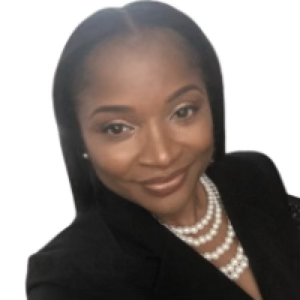
Natasha Mosby is the clinical program director of the Nevada Pediatric Mental Health Access Program at the Kirk Kerkorian School of Medicine. With more than 20 years of experience in mental health, she specializes in children’s mental health, trauma, depression, and integrated healthcare models that connect physical and behavioral care.
Previously a lecturer and program coordinator at UNLV’s School of Social Work, Mosby has also led statewide initiatives, organized the first Men’s Mental Health and Wellness Conference in Las Vegas, and serves on multiple boards, including the Nevada Commission on Behavioral Health. She holds an MSW from Louisiana State University and is currently a PhD candidate in health psychology. In recognition of her significant contributions to the City of Las Vegas, Natasha received the Women of Impact Award in 2024.
CounselingSchools.com: What would you like the public to understand about mental health counselors in Nevada?
Mosby: The terms counselor and therapist are often used interchangeably, but there are distinctions. A counselor usually holds a master’s degree in counseling or a related field and may be licensed as a Licensed Professional Counselor (LPC) or Licensed Mental Health Counselor (LMHC). Counselors often provide short-term, solution-focused therapy for specific issues such as relationship concerns, career guidance, or grief.
A therapist, on the other hand, can come from broader educational backgrounds such as social work, psychology, or marriage and family therapy, with licensure as an LCSW, LMFT, or psychologist (PhD/PsyD). Therapists typically provide more in-depth, long-term treatment for mental health conditions, including depression, anxiety, or trauma.
While the roles overlap, the key difference lies in the scope of practice and disciplines. At the same time, both counselors and therapists share the common goal of supporting mental wellness and improving quality of life. We are not only trained to address mental health challenges, but also to work at the intersection of physical, behavioral, and social health.
In Nevada, where access to care can often be limited due to geography or provider shortages, counselors and therapists are frequently the first point of contact for families and youth seeking support. Our work extends far beyond the counseling or therapy room; we help build healthier families, schools, and communities by addressing mental wellness as a critical part of overall health.
CounselingSchools.com: What does it mean to be an LCSW?
Mosby: As a Licensed Clinical Social Worker (LCSW), I hold one of the highest levels of clinical licensure in the field. This means I am trained and licensed to provide psychotherapy, conduct comprehensive clinical assessments, and formulate clinical diagnoses.
What sets LCSWs apart is our integrated perspective: I don’t just treat symptoms in isolation; I approach mental health within the context of relationships, families, and communities. I see each client as part of a larger system, where social, cultural, and systemic factors all affect their mental well-being.
My role is to help clients understand those connections, and together we develop a plan of care, often referred to as a treatment plan, that addresses those connections from a holistic perspective. This ensures that care not only treats immediate concerns but also supports long-term wellness by acknowledging the realities of their environment, lived experiences, and support systems.
Our scope of practice includes:
- Conducting assessments and clinical diagnoses
- Providing evidence-based psychotherapy for individuals, families, and groups
- Coordinating care with healthcare providers, schools, and community agencies
- Advocating for clients by addressing social determinants of health
- Supervising and mentoring future clinicians
You may find LCSWs practicing in a wide range of settings, including private practices, hospitals, schools, integrated healthcare clinics, community mental health centers, government agencies, and non-profit organizations. In Nevada, LCSWs often serve as a bridge between behavioral health and larger healthcare systems, ensuring clients receive comprehensive care that addresses both mental and social well-being.
CounselingSchools.com: What advice would you give to aspiring Nevada counseling and therapy students?
Mosby: Embrace integrated care. Collaboration with physicians, educators, and community partners is essential to meeting the diverse needs of clients.
Prioritize self-care and mentorship. The work is deeply rewarding but also demanding, so strong supervision, mentorship, and balance are key to longevity in the field.
Stay grounded in your “why.” Your passion and purpose will sustain you through the challenges of training and practice.
What our communities need most from providers are individuals who show up with compassion, openness, and a genuine respect for the diversity of the people they serve. Clients and families want to feel seen, heard, and valued; not just for their challenges, but for their strengths and cultural identities as well.
To the students preparing to step into this field: be that provider. Practice with humanity, integrity, and curiosity, and approach every interaction with a willingness to listen, learn, and grow. When you do, you won’t just change individual lives; you’ll help nurture healthier, more inclusive, and more connected communities across Nevada.
Q&A with Expert: Dawn Moore, LMFT, LADC
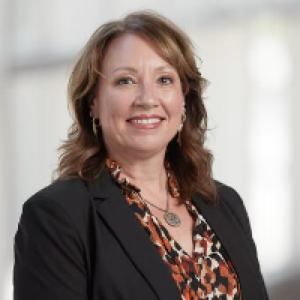
Dawn Moore is the clinical director of the Center for Individual, Couple & Family Counseling and faculty instructor at the University of Nevada, Las Vegas. She is dually licensed as a marriage and family therapist and as a counselor for drug, alcohol, and gambling behaviors. A Las Vegas native and UNLV alum, she returned to her alma mater in April 2023 to lead the clinical counseling center and teach in the couple & family therapy program.
She has more than 20 years of clinical experience working with individuals, couples, and families across various settings—private practice, non-profits, juvenile justice, schools, and community agencies. She also serves as a supervisor for MFT professionals and counseling interns in Nevada.
CounselingSchools.com: What would you like the public to understand about mental health counselors in Nevada?
Moore: The topic we hear the most is that there are not enough of us; the public should understand that there is a huge workforce shortage when it comes to mental health professionals. Our CFT Program here at UNLV graduates 30 student therapists each year, and it is very hard to keep up with the demand and population growth. In the School of Medicine, we currently have a workforce development initiative called BE HERE NV whose sole focus is bringing people into the mental health professions here in Nevada.
The second thing I think is important for the public to know is how challenging it can be for a mental health provider in Nevada…in Las Vegas, in particular. We are dealing with a lot of really difficult problems, such as gambling and other addictions, sexual abuse, assault, and trafficking, suicide, homicide, and domestic violence…all in very large numbers, on top of all the other mental health concerns individuals, couples, and families typically have. It is even more important that students receive the best training possible and can be prepared upon graduation to “hit the ground running.”
CounselingSchools.com: What advice would you give to aspiring Nevada counseling students?
Moore: My advice would be to make sure you are prepared for the helping professions. They require individuals to explore and heal their own emotional challenges, establish healthy habits, and develop good coping strategies for stress. A mental health professional needs social and professional support. I would advise them that there are many jobs, doing all kinds of great work, so if they are prepared, they can make a world of difference for many people.
Traditional Counseling Degree Programs in Nevada
University of Nevada, Reno – College of Education & Human Development
The University of Nevada, Reno is the state’s flagship public university. It was founded in 1874, in Elko, Nevada, about 300 miles northeast of its present-day campus. The master of arts in counseling (MA) within the College of Education & Human Development offers a degree with three possible majors: school counseling, clinical mental health counseling, and marriage and family counseling.
School counseling is the recommended major for students who wish to work in elementary, middle, high school, or alternative school environments. Clinical mental health counseling is the recommended major for students desiring careers working with community members in mental health centers, agencies, non-profit organizations, and state or federal government environments. Marriage and family counseling is the major recommended for students who wish to counsel couples and families.
The MFC program is aligned with eventual licensure as an LMFT; the CMHC program is aligned with eventual licensure as a CPC; and the school counseling program is aligned with licensure as a Nevada School Counselor.
- Location: Reno, Nevada
- Duration: Marriage and family counseling is 67 credits; the clinical mental health counseling program is 67 credits; the school counseling program is 60 credits
- Accreditation: CACREP
University of Nevada, Las Vegas – The Department of Counselor Education, School Psychology & Human Services
The University of Nevada, Las Vegas is a public land-grant research university in Paradise, which is less than two miles from the Las Vegas Strip. The school’s master of science (MS) in clinical mental health counseling prepares students to take the National Counselor Examination (NCE) leading to certification in Nevada as a National Certified Counselor (NCC). The clinical mental health counseling program also prepares students to seek licensure as a Clinical Professional Counselor (LCPC) in Nevada.
Classes meet once a week and are offered in the late afternoon and evenings to accommodate students’ work and internship schedules. While classes are taught primarily in-person and on-campus, some classes may be offered fully online or through a hybrid format.
The school’s master of education (MEd) in school counseling prepares professional counselors to work with K-12 student populations. The school also offers an advanced graduate certificate in addiction studies. The School of Medicine at UNLV offers a master of science in couple and family therapy. The couple and family therapy program prepares candidates for licensure as a Couple and Family Therapist (MFT) in Nevada.
- Location: Paradise, Nevada
- Duration: The MS in clinical mental health counseling, MEd in school counseling, and MS in couple and family therapy are all 60 credits
- Accreditation: COAMFTE (The Commission on Accreditation for Marriage and Family Therapy Education) accredits the couple and family therapy program; Council for Accreditation of Counseling and Related Educational Programs (CACREP) accredits the clinical mental health and school counseling programs
Touro University Nevada – Master of Education School Counseling Program
Touro University Nevada is a private, nonprofit university maintaining a focus on social justice, intellectual pursuit, and service to humanity. The university was founded on the Judaic values of teaching, service, and learning with a desire to expand healthcare and education services to its Nevada community and beyond. The Nevada location is part of the Touro College and University System, acting as a branch of its sister campus Touro University California.
Touro Nevada offers a master of education (MEd) in school counseling, designed for current teachers or any non-certified individuals to meet the academic, career, personal, and social needs of serving a diverse K-12 student population. The program is offered entirely online, with the exception of the internship, with a cohort-based cohort designed for professionals who may need to work around jobs and/or family life.
- Location: Henderson, Nevada
- Duration: Three years; 60 credits
- Accreditation: Council for the Accreditation of Educator Preparation (CAEP)
How Much Do Counselors Make in Nevada?
These numbers represent data from the U.S. Bureau of Labor Statistics from May 2024—the latest data available as of October 2025.
Educational, Guidance, and Career Counselors and Advisors
| United States | Nevada | |
|---|---|---|
| Number employed | 342,350 | 2,300 |
| Average annual salary (mean) | $71,520 | $67,600 |
| 10th percentile | $43,580 | $46,640 |
| 50th percentile (median) | $65,140 | $64,960 |
| 90th percentile | $105,870 | $87,870 |
Marriage and Family Therapists
| United States | Nevada | |
|---|---|---|
| Number employed | 65,8700 | 150 |
| Average annual salary (mean) | $72,720 | Estimate not released |
| 10th percentile | $42,610 | Estimate not released |
| 50th percentile (median) | $63,780 | Estimate not released |
| 90th percentile | $111,610 | Estimate not released |
Rehabilitation Counselors
| United States | Nevada | |
|---|---|---|
| Number employed | 88,930 | 470 |
| Average annual salary (mean) | $51,260 | $51,410 |
| 10th percentile | $34,480 | $27,270 |
| 50th percentile (median) | $46,110 | $44,320 |
| 90th percentile | $77,200 | $98,920 |
Substance Abuse, Behavioral Disorder, and Mental Health Counselors
| United States | Nevada | |
|---|---|---|
| Number employed | 440,380 | 2,240 |
| Average annual salary (mean) | $65,100 | $64,430 |
| 10th percentile | $39,090 | $43,490 |
| 50th percentile (median) | $59,190 | $59,470 |
| 90th percentile | $98,210 | $92,440 |
All Other Counselors
| United States | Nevada | |
|---|---|---|
| Number employed | 33,340 | 240 |
| Average annual salary (mean) | $58,070 | $47,040 |
| 10th percentile | $36,160 | $29,810 |
| 50th percentile (median) | $49,830 | $38,970 |
| 90th percentile | $91,420 | $78,280 |
Counseling Professional Associations & Resources in Nevada
- Nevada School Counseling Association (NvSCA)
- Nevada Counseling Association (NCA)
- Nevada 211 Mental Health Services
- NAMI Nevada
- Family Behavioral Health (FBH)
- Nevada Urban Indians, Inc.
- Northern Nevada Evaluation Center (NNEC)
- Reno-Sparks Tribal Health Center
- Rural Nevada Counseling
- Tahoe Youth and Family Services
- Northern Nevada HOPES
- Community Counseling Center of Southern Nevada (CCC)
Mental Health Counseling Licenses in Nevada
| Licensing Authority | Eligibility & Details | Renewal Requirements |
|---|---|---|
| Nevada Board of Examiners for Marriage and Family Therapists and Clinical Professional Counselors | Mental health counselors in Nevada are licensed as either Certified Professional Counselors (CPC) or Certified Professional Counselor Interns (CPC Interns). To obtain a CPC Intern license, candidates must:
Interns are required to submit a report to the board every six months of their progress towards completing the required work experience. To become a full CPC, candidates must:
| Mental health counselor licenses in Nevada expire January 1st, every other year. Renewals require payment of a fee. Starting July 1, 2026, Counselors are required to complete 20 continuing education units each renewal cycle. Six of those units must be in ethics, two must be in suicide prevention, and 6 in cultural competency. |
Kimmy Gustafson
WriterAt CounselingSchools.com, Kimmy Gustafson’s expertly crafted articles delve into the world of counseling and mental health, providing valuable insights and guidance to readers since 2020. In addition to feature pieces and interviews, she keeps the state licensing tables current. Kimmy has been a freelance writer for more than a decade, writing hundreds of articles on a wide variety of topics such as startups, nonprofits, healthcare, kiteboarding, the outdoors, and higher education. She is passionate about seeing the world and has traveled to over 27 countries. She holds a bachelor’s degree in journalism from the University of Oregon. When not working, she can be found outdoors, parenting, kiteboarding, or cooking.
Vanessa Salvia
WriterVanessa Salvia is an Oregon-based freelance writer and editor with a bachelor’s degree in chemistry. As fun as rigorous studies in math and science were, Vanessa took an independent path and developed a prolific career covering lifestyle and healthcare topics for magazines and newspapers, important industries such as concrete construction and building waterproofing, and even hard science. You can get in touch at Sage Media and Marketing.